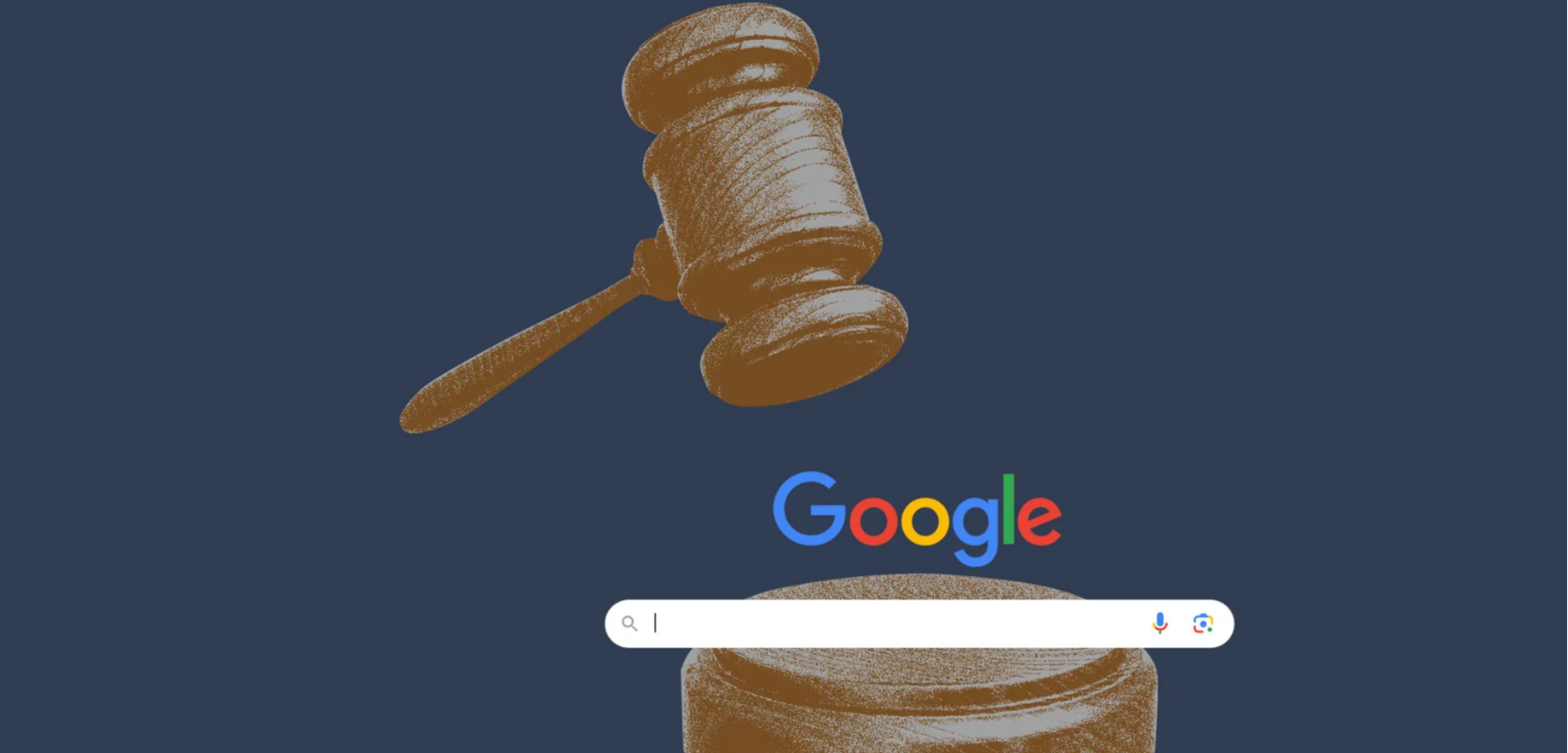
The Google Monopolies ruling is down! The requests for forced eviction of Chrome and Android were rejected.
Last year, Google was found to constitute an illegal monopoly on its core Internet search market. The United States District Judge, Amette Meta, rejected a number of severe penalties proposed by the Department of Justice, including the forced removal of the Google Crome Browser, which provided data that were essential for the precision of Google advertising.
The ruling made it clear that “Google does not have to divest itself of Chrome’s business, nor does the final judgement contain a detachment requirement for the Android operating system. The claimant’s claim for the forced removal of these critical assets is an excessive claim and Google did not use them to impose any unlawful restrictions.” Amit Meta, who presided over the remedial hearing in May this year, requested the parties to complete consultations on the final judgement by 10 September.
In August 2024, the District Court of the District of Columbia ruled that Google constituted a monopoly in the search and related advertising market, in violation of article 2 of the Sherman Act. This antimonopoly action began in September 2023.
Google replied in an official blog: “The courts now impose restrictions on the way Google services are distributed and ask us to share search data with competitors. We are concerned that these requirements will have an impact on users and on privacy and are carefully studying the decisions. The Court did admit that the removal of Chrome and Android was outside the scope of the search and distribution proceedings in the present case and could harm consumers and partners.”
One focus of the case is the exclusive distribution agreement signed by Google. In its decision on Tuesday, Armitte Meta stated that the company could pay for pre-assessed products but could not enter into exclusive agreements conditional on payment or authorization. The Ministry of Justice has asked Google to stop “coercive binding”, i.e. by signing a specific agreement with the manufacturer to ensure that its search engine becomes the default option for browsers and smartphones.
In a press release, the United States Department of Justice stressed: “The ruling today points to the need for remedial measures to open the market for general search services, an area that has been frozen for more than a decade. At the same time, the decision recognizes the need to organize Google to replicate its monopolistic market-searching anti-competitive methods into the generated AI products and the associated remedies will cover the generated AI technologies and enterprises.”
Google pays apples billions of dollars a year in exchange for the IOS default search engine. This is very profitable for apples and important for Google to gain more search volumes and users. After the judgement was issued, the price of the Alphabet stock, the Google parent company, rose by 8 per cent in post-business transactions, and the price of the apple stock rose by 4 per cent on a Tuesday.
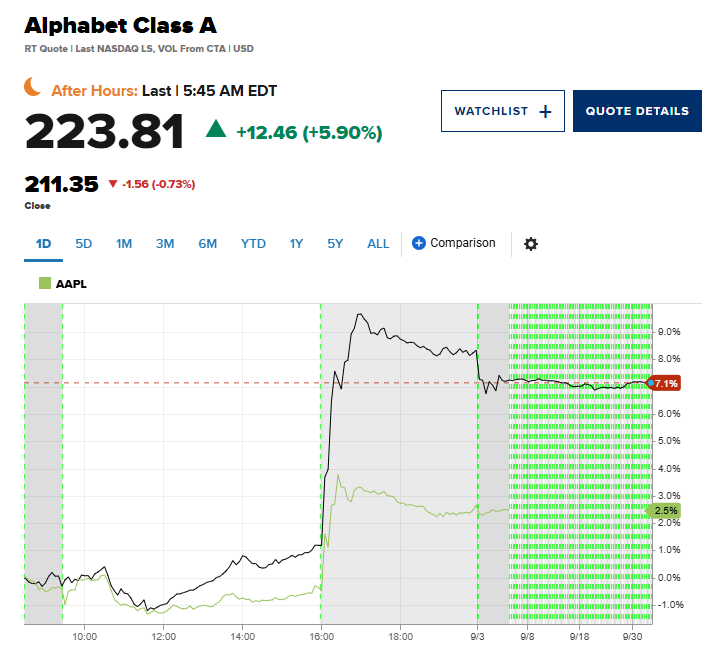
The award made it clear that “Google would not be prohibited from paying distribution partners for pre-packaging or ad hoc Google searches, Chrome or their production of AI products. Cutting off Google’s payments would almost inevitably cause serious (and even fatal) collateral damage to distribution partners, relevant markets and consumers, and would oppose the imposition of a broad payment ban.”
The court also requested Google to relax its control over the search data. During the remedial hearing in May, the Ministry of Justice had requested judges to compel Google to share data (e.g. user click data) for the production of search results. Meta ruled on Tuesday that Google had to disclose specific search index data and user interaction data (excluding advertising data), but did not need to share particle size data with advertisers.
The Court narrowed down the range of data sets that Google needs to share and made data-sharing based on “general commercial terms that meet the existing standards for Google joint distribution services”.

Related Posts
Adali’s $29.3 million buy-out of the day-to-day Crossroads developer Hipster Whale.
TikTok was reported by the Indonesian Electronic Logistics Association to the inspection agency. Break