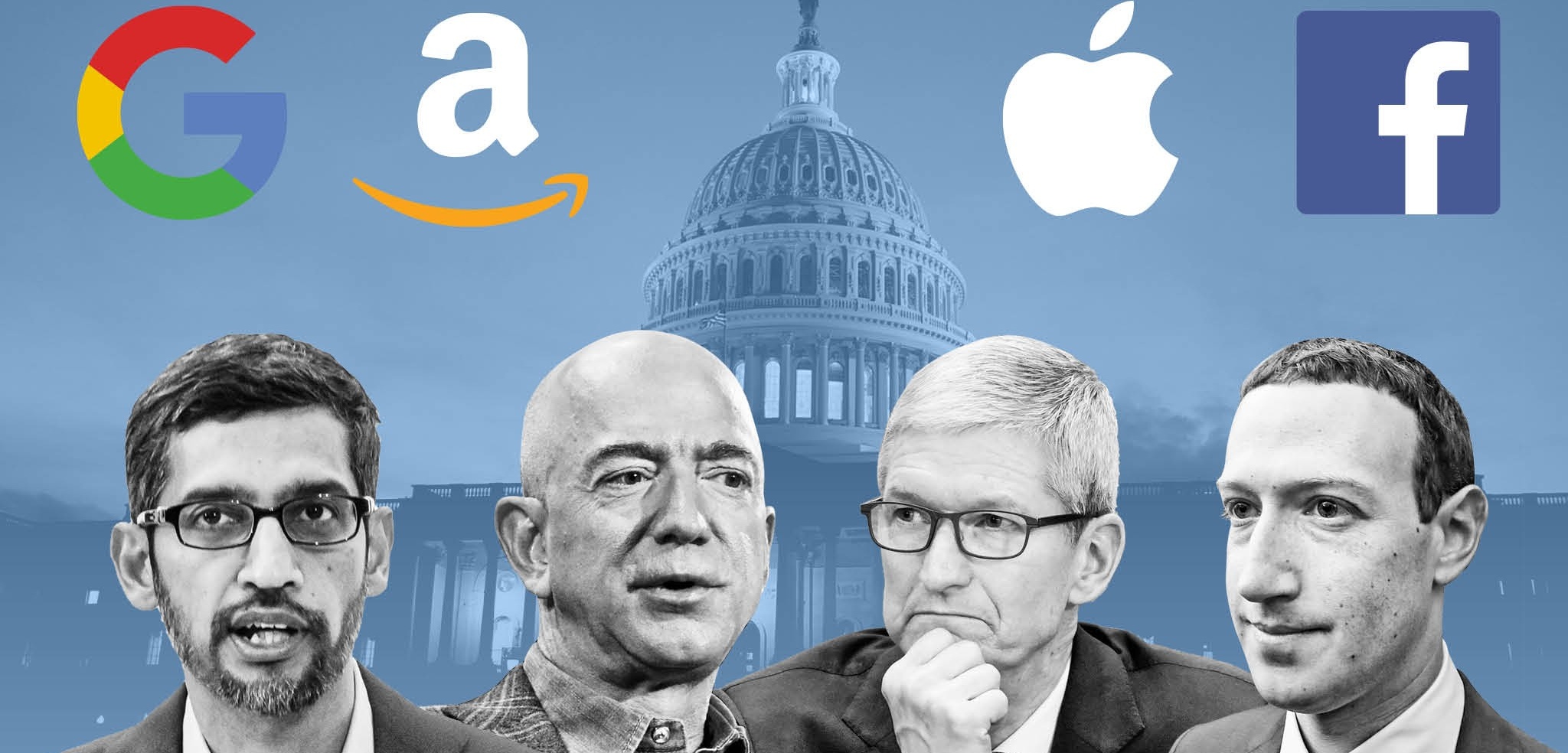
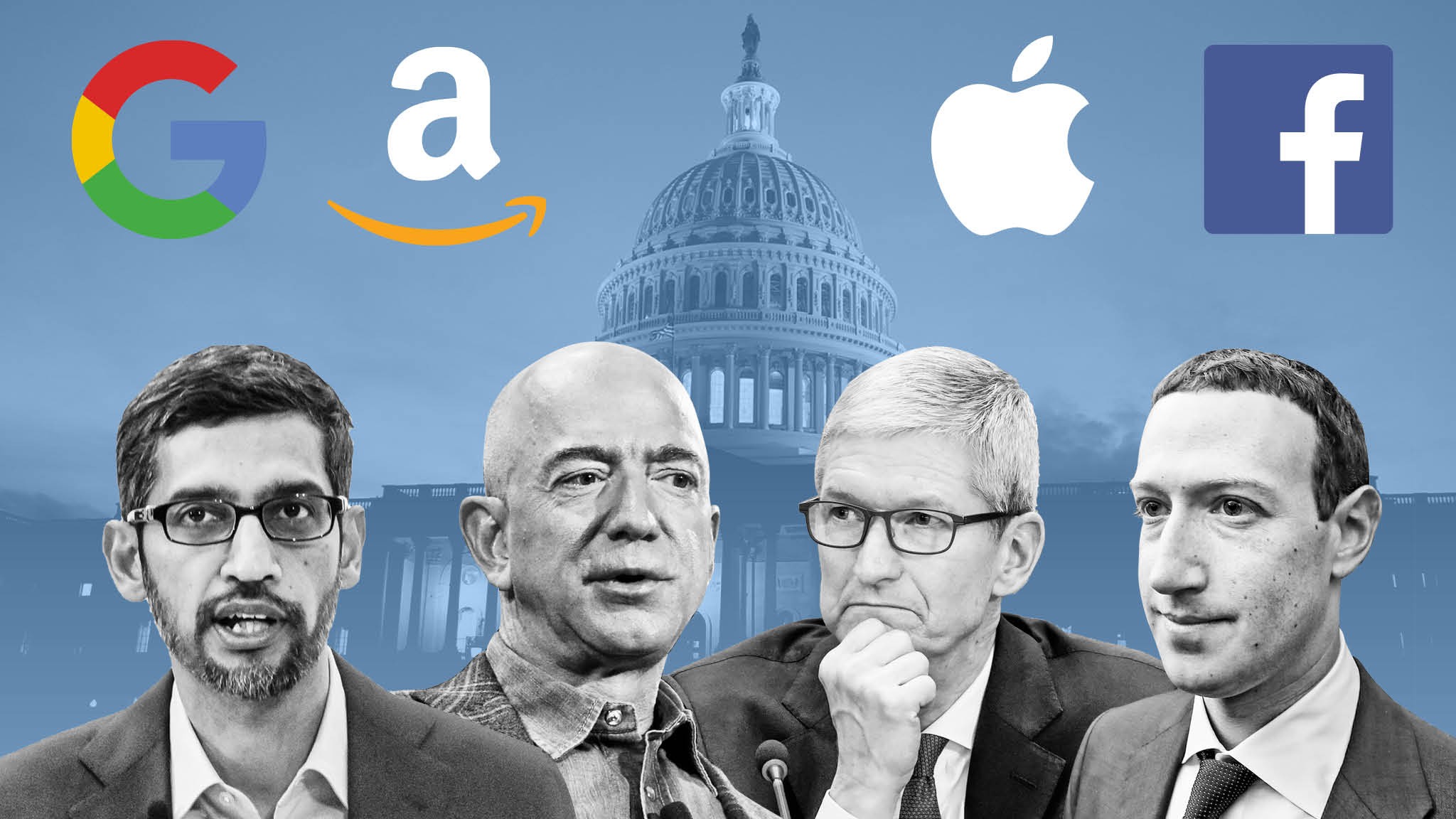
The Silicon Valley technology giant is throwing $400 billion to bet on AI, and capital booms are causing market differences.
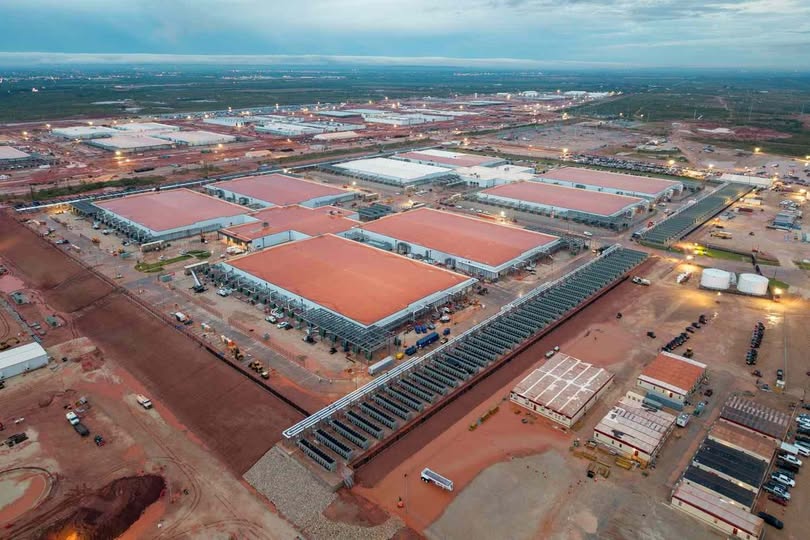
According to the Wall Street Journal, Silicon Valley giants are investing in artificial intelligence on an alarming scale. Despite the $400 billion planned this year, the technology giant claims to be far from adequate. Meta openly claims that there are arithmetical bottlenecks between the training of new AI models and the maintenance of existing product operations; Microsoft reveals a surge in customer demand for data centre services, which is planned to double the size of the data centre within two years; and the Amazon states that efforts are being made to upgrade cloud service capacity. Microsoft Chief Finance Officer Amy Hood put it bluntly: “We have been facing many quarters of the year with a lack of capacity. Thought it would catch up, but demand grew faster. When we see these signals of demand and know that we are lagging behind, we must invest more.”
Meta, Alphabet, Microsoft and Amazon announced to investors within 48 hours that they would add an additional 2026 investment plan. However, there was a marked divergence in the response to capital markets: Google and Amazon were recognized, while Meta and Microsoft raised concerns. On Thursday, when closing, Meta stock prices fell by 11 per cent, Microsoft fell by nearly 3 per cent and Alphabet rose by 2.5 per cent. Post-trading of the Central Asian Amazon jumps by over 10 per cent. The investor ‘ s ambivalence stems from doubts about the ultimate benefits of large inputs. Business and AI advocates emphasize that these investments are essential for achieving universal artificial intelligence, but skeptics point out that the current pay-for-user base for large-language models is limited and that the global workforce needs years of training to use the technology effectively. At the press conference, analysts threw out acute problems. Some asked Microsoft, “Are we in a bubble?” Others questioned Alphabet: “What are the signs that convince you of the long-term return of inputs?”
Google announced that annual capital expenditure would increase from $85 billion to $91.0-93 billion, and its CFO Anat Ashkenazi stressed that investment had been effective: “This quarter AI has generated billions of dollars, and we have a rigorous framework for assessing long-term investments. Microsoft indicated that it would continue to face a lack of computing power at least in the first half of next year, and its cloud computing operation Azure was suffering from the “major income impact”. The Amazon, for its part, assured investors that the new input would yield immediate benefits, with CEO Andy Jassi saying: “How fast the current build-up is, the speed at which it will materialize.” By contrast, Meta did not publish a specific timetable for the release of AI models or product advancement, nor did it specify a return-on-investment cycle, causing market anxiety. The equity price should fall by more than 7 per cent after its financial disclosure. CEO Mark Zuckerberg stated to investors that if the AGI input strategy was wrong, the company would shift in time and that “pre-construction capacity is the right strategy. The worst of all is to suspend the construction of the new infrastructure until the operation gradually digests the existing capacity.”

The Chief Finance Officer of Meta, Susan Lee, has revealed that capital spending has nearly doubled this year from nearly $72 billion last year to “a significant increase” in 2026. While apples indicate increased AI input in the financial paper, they still spend much less than other technology giants. This arms race, driven by FOMO, is pushing Silicon Valley to unprecedented levels of input. The chief Internet analyst for Triist securities, Yusuf Squirey, stated: “The first to achieve AGI will have an overwhelming competitive advantage. Active investment is the right strategy, and the greater risk is that the lack of investment leads to poor competitiveness.”

Related Posts

90% of hand-travel developers consider introducing loyalty and reward systems to enhance player retention

P.C. Game end effect continues to increase, with game income over half of top 20