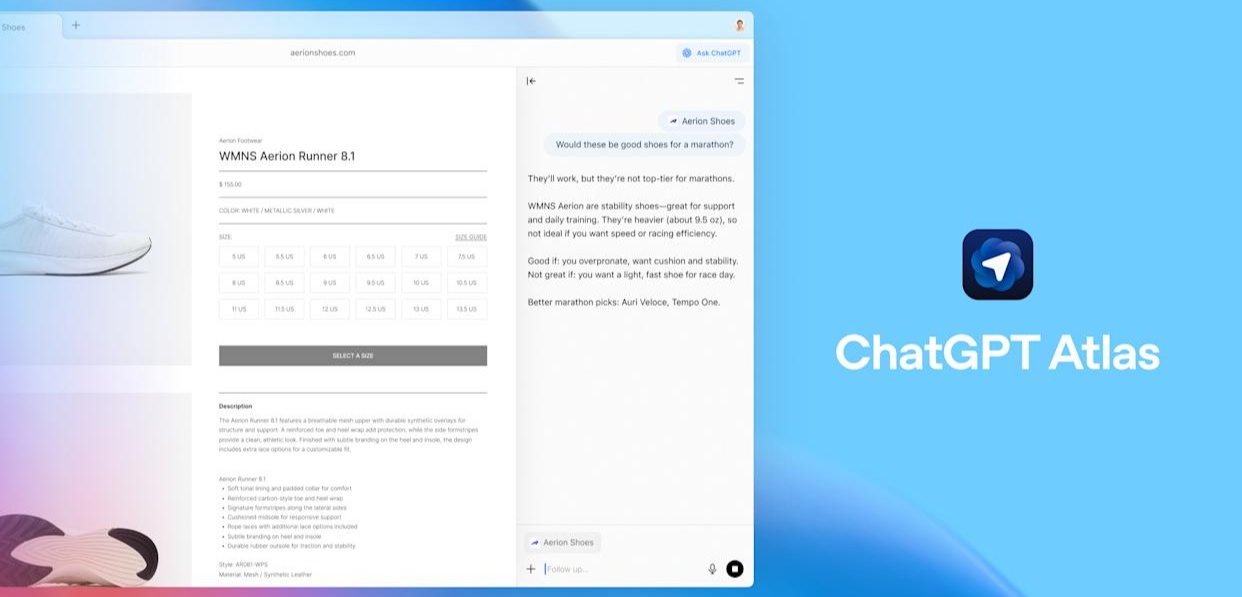
OpenAI launched the AI browser called Pangle, ChatGPT Atlas re-engineered search experience
The AI giant OpenAI has recently launched an artificially intelligent web browser, formally challenging competitors like Google, which operates the world ‘ s most popular browser.

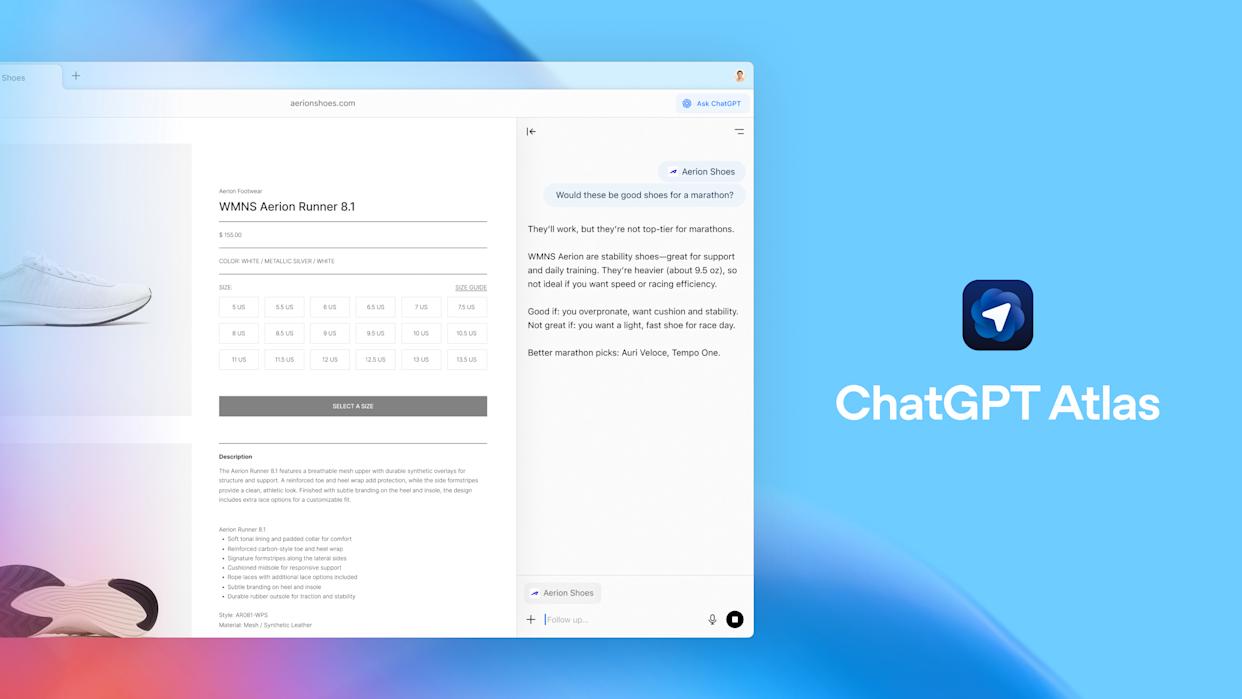
The key feature of the traditional search — the address bar — was removed from ChatGPT Atlas on the Apple MacOS system on-line this Tuesday. The CEO of OpenAI, Sam Altmann, stressed that the product was “constructed around the ChatGPT core”. Atlas roll-out coincides with OpenAI seeking to open up new liquidity channels for its huge artificial smart investment and to expand its growing user base. OpenAI indicated that Altas would provide the user of this hot chat robot with a fee model and an autonomous search function. This feature, which is open only to fee-paying subscribers, “makes the search faster and more practical” by using browsing context environments. The company has recently announced a series of new initiatives to direct users to its online services. Partnerships have been established with electrician platforms such as Etsy, Shopify and booking service providers such as Expedia, Booking.com. According to the Data Research Institute Demandsage, at the OpenAI Developer Conference this month, Altman announced that ChatGPT week active users had increased from 400 million in February to 800 million.

Moor Insights & Strategy CEO Pat Morehead said: “I trust that early users will actively test this new browser.” At the same time, however, he questioned whether Atlas could pose a real threat to Chrome or Microsoft Edge, “as mainstream users, beginners and business users are more likely to wait for their custom browsers to add similar features”. He added that Microsoft Edge now provided many similar functions. OpenAI’s challenge coincided with the first anniversary of Google’s conviction that online search monopolies were illegal. In a recent overhaul decision against the dominant position in the Google market, the United States Department of Justice had ordered it to divest itself of the Chrome browser, even the Anzor business. An increasing number of web users are turning to large-language models such as ChatGPT for answers and suggestions. The research institute Dotos data show that, as of July, 5.99 per cent of desktop browser searches went to large language models, more than double the figure a year ago. Google also invests heavily in artificial intelligence, and has been giving priority to AI-generated answers in search results for almost a year.

Related Posts

90% of hand-travel developers consider introducing loyalty and reward systems to enhance player retention

P.C. Game end effect continues to increase, with game income over half of top 20