
In the face of Japan’s resort competition, Korea has encouraged the development of a comprehensive resort casino industry.
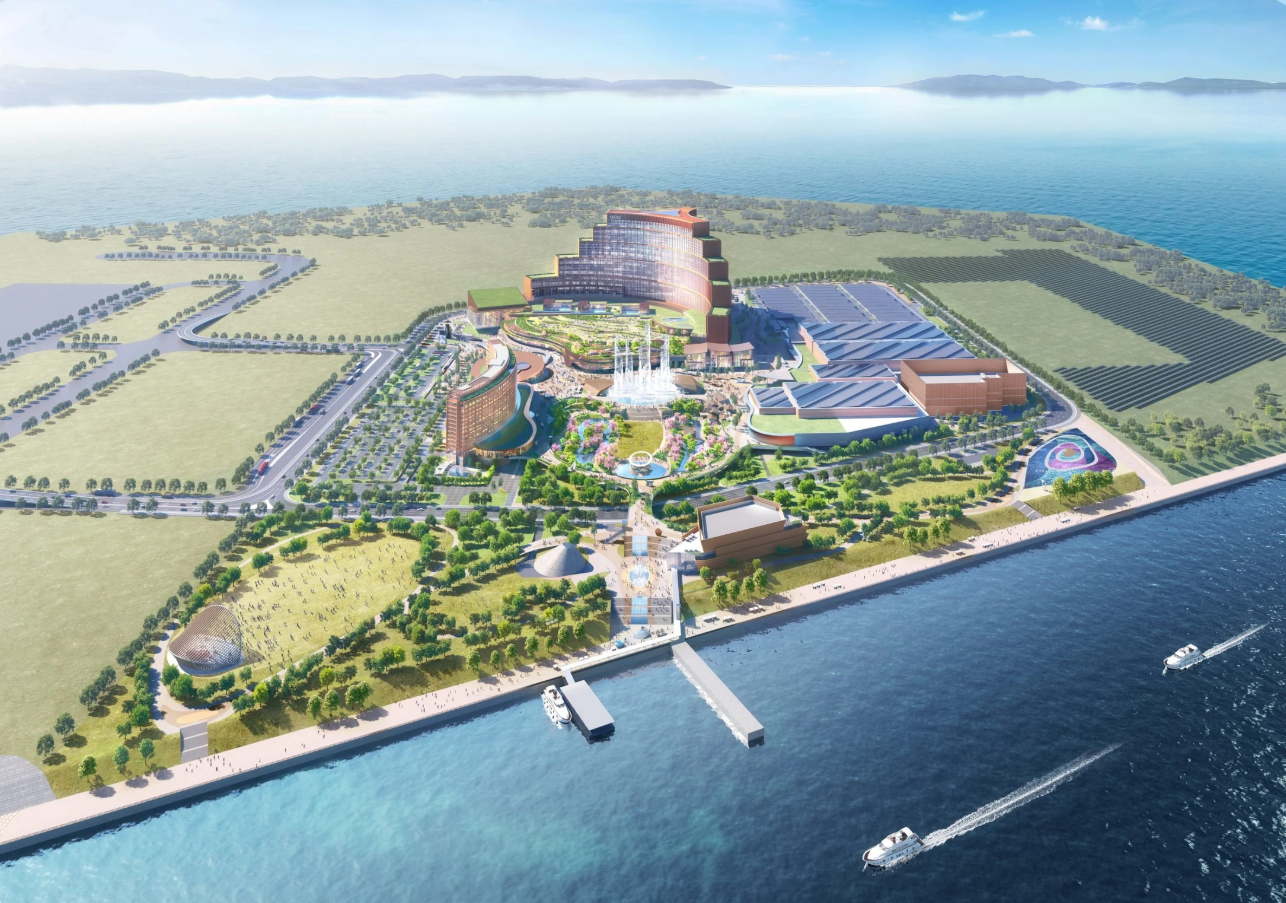
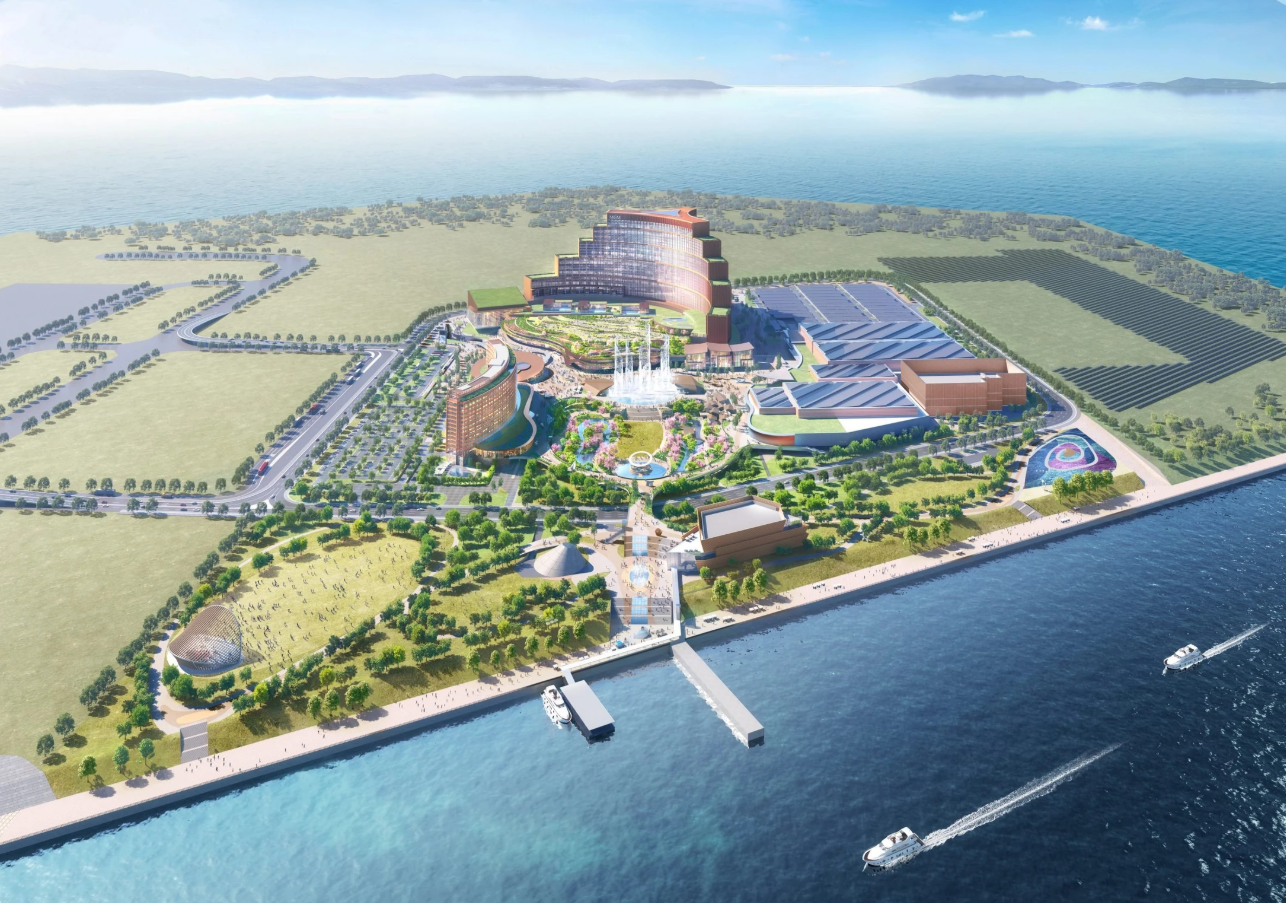
With Japan about to announce its first comprehensive resort project, the Korean casino industry is facing increasing competitive pressures. Industry experts noted that strategic reforms were essential to enhance the competitiveness of the Korean tourism industry. The US$ 9 billion class project, the US-Gome Osaka complex, which is expected to open by 2030, will be a key challenge in reshaping Asia’s lottery landscape, forcing Korea to reassess and upgrade its entire casino and tourism industry.

Analysts predict that Japan’s United States-Gomez Osaka complex will attract up to 7.6 million Korean tourists each year, which could result in an outflow of nearly $1.9 billion in tourism consumption from the Korean market. The three high-end hotels, the 730,000-square-foot conference exhibition centre and the modern resort, where multiple entertainment facilities are integrated, are highly attractive to tourists. In response to the shock, the Korean Casinos General Resort Association and the Korean Tourism Society jointly organized a two-day forum in Osaka to bring together industry leaders, academics and government officials to discuss responses. It was agreed that there was an urgent need for the Republic of Korea to move beyond the existing regulatory framework to design innovation policies that balanced public interest with industrial competitiveness. As the only casino open to Koreans, Jiangwon Park has become the focus of the industry. The Acting Chief Executive Officer, Choi Chul-gwe, put it simply that the Migormé project poses “a serious challenge” and not only threatens Jiangwon Park, but also affects 17 Korean guest-only casinos that depend on international tourists, including a large number of Japanese customers.
Under this pressure, Jiangwon Park announced the launch of the “K-HIT Korea Integrated Tourism Project”, which plans to phase the High1 resort as a world-class tourist destination. The project focuses on health rehabilitation, sports events and recreational facilities. It aims to adapt to global life trends, attract international tourists and revitalize the mining economy. Choi Chul-gwe emphasized that “through innovative strategies such as K-HIT, we need both to raise Korea’s status in the global comprehensive resort map and to contribute to the revival of old industrial zones”. There is a general agreement between the Government and the academic community that there is a lag in the current system of casino supervision in Korea: The Ministry of Culture, Sports and Tourism is in charge of continental area licence plates, while the National Gambling Control Board governs the Jeju Island Casino. The experts called for a uniform and transparent regulatory framework to enhance the prevention and control of gambling hazards while promoting tourism development. “The comprehensive resort should be an important pillar in achieving the national goal of `hosting 30 million foreign tourists every year’, and policies need to balance industrial development with social responsibility.” Industry data confirm the urgency of change: in October, Korean guest-only casino operator Grand Korea Leisure lost 6.5 per cent in the same year, mainly because of weak play-table performance; yet the country’s largest integrated resort, Jeju Dream Tower, doubled casino revenues, relying on a steady increase in passenger flows and gambling table operations. This polarization underscores the urgent need for a deep adjustment of policy and business models.
The rise of Japan ‘ s comprehensive resorts has pushed regional competition to hotten up, and opportunities exist in the crisis. Through regulatory innovation, strategic innovation and diversified recreational investment, the Republic of Korea may be able to use this opportunity to revive its industry and achieve breakthrough growth in the international tourism market. Currently, the business community is calling for forward-looking and concerted action to ensure that Korean casinos and tourism will not only withstand rapid regional changes, but will continue to flourish.

Related Posts

EA admits that the hand-drive Command and Conquest: The Enemies Away from the Core Experience has led to the subsequent re-establishment and opening of the classic.

GTA 6 re-emphasizes its PS5 monopoly strategy, with the core user being the host player